
 Over 150 Five-Star Reviews
 Se Habla Español
Available 24/7

Recent Blog Posts
Why a Fast Settlement Is Not Always The Goal
 One of our attorneys passed a billboard on a Connecticut highway recently, advertising fast results for injury victims. It is a simple claim to make, but is it something you really want? You probably have medical bills, time off from work, and many other consequences from your injury. But speed and depth of preparation usually pull against each other in an injury claim, and the difference can sometimes show up in the final result.
If you were hurt in a crash or a fall in Connecticut, you are taking risks when speed is prioritized above other things. Wrapping up your case in weeks or months can come at a cost, especially if your injuries are not fully healed or your attorney has not had the chance to discover and analyze all of the evidence.
What Actually Decides the Value of an Injury Claim
A claim is worth what the facts support. Two things drive that: liability, meaning who was responsible and to what degree, and damages, meaning what the injury has cost you in medical care, lost income, and the effect on your daily life. Neither one of these is set by how loudly anyone argues or negotiates. Both are set by evidence and proof.
What Is My Car Accident Case Worth?

Damages for a car accident case can cover medical bills, lost wages, the cost of pain and suffering, and other areas. Exactly how much an individual case is worth depends on the nature of the accident, who was at fault, and how serious the resulting injuries are.
A Trumbull, CT car accident attorney can help you understand how much your specific claim is likely to be worth in 2026.
What Damages Can You Recover After a Car Accident in Connecticut?
Connecticut law splits damages into two main groups (Conn. Gen. Stat. § 52-572h), called economic and noneconomic damages.
Economic Damages
Economic damages cover losses with a specific dollar amount attached. These can include medical care, rehab, and lost wages.
How Do I Know Whether a Truck Driver Is at Fault for an Accident?
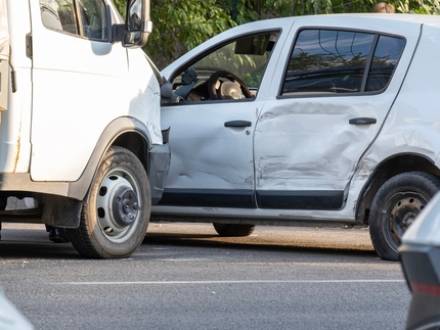 Getting in an accident with a semi-truck is not only frightening, but extremely dangerous. Serious injuries often result. Understanding what kind of compensation may be available is very important to many victims.
Determining who was at fault in an accident with a commercial truck is important for knowing if you can recover damages. Whether a truck driver is at fault or not depends on the driver’s conduct. If they were acting negligently, they may be liable for the accident. In some cases, other parties like the trucking company can also bear responsibility for an accident.
If you were injured in an accident with a commercial truck in 2026, a Milford/Orange, CT truck accident lawyer can help you determine whether you may be awarded compensation.
How Can a Connecticut Truck Driver Be Negligent?
Negligence generally means a driver failed to do what a reasonably careful driver would have done in the same situation.
Taking Legal Action After a Car Accident with a Drunk Driver
 If you were in an accident with a drunk driver in Connecticut, you may have a strong legal claim to compensation. Connecticut law treats drunk driving as a serious offense and has strong protections for people injured by drunk drivers.
A Monroe car accident lawyer can explain in detail what the process is for seeking damages after an accident with an intoxicated driver in 2026.
What Should I Do Right After a Drunk Driving Accident in Connecticut?
The moments after a crash are overwhelming, but if you can safely do so, you should take a few simple steps:
- Call 911 and get medical help, even if you feel fine at first.
- Make sure the police are notified. Get the police report number and the other driver's insurance information.
- Take photos of the vehicles, the road, and any visible injuries.
Top Causes of Motorcycle Accidents in Summer
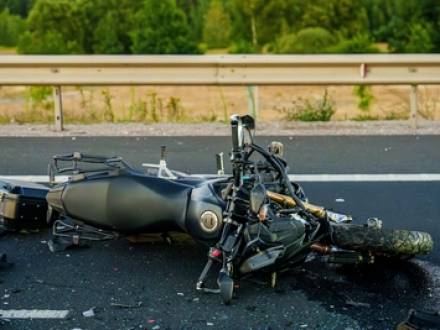 Summer is the deadliest time of year to be on a motorcycle. An AAA Northeast analysis of available data found that almost 60 percent of motorcyclist deaths happen between May and September. Even non-fatal summer accidents can lead to severe injuries because of the lack of protection offered by motorcycles.
Primary causes of motorcycle accidents include more motorcyclists on the road in general, heavier car traffic, and poor driving behaviors that often increase during summer months. A Shelton, CT motorcycle accident lawyer can help you understand your options if you’ve been injured in a motorcycle accident in 2026.
Why Are Motorcycle Accidents More Common in the Summer?
Summer months see more motorcycle accidents in part because there are simply more bikers on roads during warmer weather. However, several other factors also increase the likelihood of accidents:
Connecticut’s New Bicycle Helmet Laws
 As people across the state hit the road on their bikes, it is important to remember the new helmet laws that recently went into effect. Last fall, the state expanded who has to wear a helmet on a bicycle, an e-bike, a motorcycle, a scooter, or a skateboard. The changes increase the safety rules for many people.
If you or someone you love is hurt or killed in an accident on an e-bike in 2026, our Bridgeport personal injury attorneys are here to help. We have handled well over 10,000 cases and offer every single client close attention and small-firm service.
Who Has to Wear a Helmet on a Bicycle in Connecticut Now
Before October 2025, Connecticut required helmets only for bicycle, scooter, and skateboard riders under 16. That age threshold has been raised, and a separate rule was added for e-bikes. The rules now look like this:
Is the Driver or the Company Liable in a Rideshare Rear-End Accident?
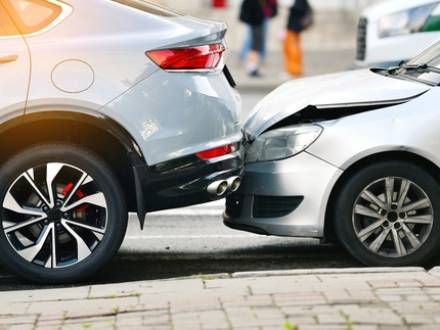 If you’ve been rear-ended by someone driving their vehicle for a rideshare company, you may have multiple avenues of compensation. Liability may well be shared between the driver and the company they’re contracting with. Because of this, these cases tend to be more complicated than standard rear-end accidents, making professional legal help even more valuable. A Stratford, CT personal injury attorney can help you understand how to approach your claim in 2026.
Are Rideshare Accidents More Complicated Than Regular Connecticut Car Wrecks?
When two privately owned cars are in an accident, liability centers around whose negligence caused the crash. Claims are filed with insurance, and settlements are often reached fairly quickly.
In a rideshare accident, things can get complicated depending on what was going on in the driver’s rideshare app at the moment of the crash. Rideshare companies work hard to maintain a legal distance from their contractors (drivers) to minimize their liability in the event of an accident. However, they can still be implicated if the technology their drivers are required to use is found to have been a distraction leading to the crash.
What Connecticut’s New E-Bike Rules Mean for Riders and Drivers
 E-bikes are part of daily life in Connecticut now. They show up on busy streets and bike paths throughout the state. As of October 1, 2025, the rules governing e-bikes have changed in some important ways, including how e-bikes are classified and who needs to wear a helmet.
The new requirements come from Connecticut Public Act 25-159. If you ride an e-bike or have a child who has been asking for one, here is what is now different in Connecticut and why it matters. And if you or someone you love gets hurt on an e-bike through someone else’s carelessness, you can count on our Bridgeport, CT e-bike injury lawyers to understand the law and fight to get you the compensation you need.
Connecticut Law Now Sorts E-Bikes by Motor Wattage
The state has recognized three classes of e-bikes for several years:
Do I Need a Personal Injury Lawyer After a Car Accident?
 Not everyone files a claim after a car accident injury, and not everyone needs to. Accidents that were very minor or had many witnesses, making it easy to determine fault, may get no-fuss insurance payouts. However, having a professional to talk to can make a huge difference in whether you’re paid what you’re owed. This is true in more complex cases, but even in simple ones, insurance companies will often try to downplay the extent of the damage to you or your vehicle to underpay you.
If you were hurt in a crash in 2026 and you think you might benefit from a professional opinion, a Fairfield personal injury lawyer can review your accident and offer suggestions.
Who Is a Good Candidate for a Car Accident Claim in Connecticut?
You may be a strong candidate if you were injured in a crash caused by another driver's negligence. Negligence includes things like:
Are Bicycles Considered Vehicles by Connecticut Traffic Laws?
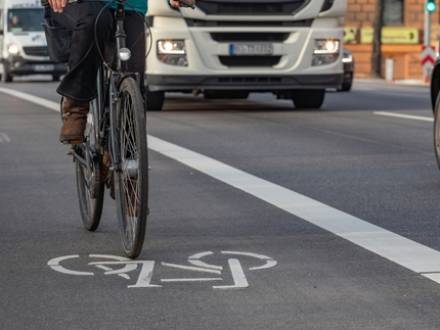 Drivers of cars may find themselves sharing the road with bicyclists who act as if they, too, are a car. Many road cyclists use major roads on their commutes to work or for recreational riding. It may not be clear to many automobile drivers if they’re supposed to treat bicyclists as pedestrians or a vehicle.
The answer matters a lot for drivers and cyclists hoping to both avoid car vs. bicycle accidents in the first place, and understand who’s liable if one happens. A New Haven County bicycle accident attorney can help you understand your rights and what to do if you've been hurt.
What Does Connecticut Law Say About Bicycles as Vehicles?
Connecticut law considers bicycles to be vehicles when they are in areas like roads or highways. Under Connecticut General Statutes Section 14-286, every person riding a bicycle on a public road has the same rights and is subject to the same duties as the driver of any other vehicle, except where the law specifically states otherwise.

Contact Us
Let Us Help
You Take the
First Step
Toward Healing
To learn more about your legal options as you recover from injuries or other forms of harm caused by negligence or abuse, we encourage you to speak to our team in a free consultation. We will discuss your case with you and help you understand what to expect during the legal process. When you work with us, we will stand by your side and provide the support you need until your case is resolved.
Office
Bridgeport, CT 06604
P: 203-335-5145
Set up your free consultation today by calling 203-335-5145 or filling out the form below:

From our office in Bridgeport, CT, the attorneys at Tremont Sheldon P.C. represent clients throughout the Connecticut, including Fairfield County, Litchfield County, Lower Fairfield County, New Haven County, Bethel, Brookfield, Danbury, Darien, Easton, Fairfield, Greenwich, Hamden, Milford, Monroe, New Canaan, New Fairfield, New Haven, Newtown, Norwalk, North Haven, Orange, Redding, Ridgefield, Shelton, Sherman, Stamford, Stratford, Trumbull, Waterbury, Westport, Weston, West Haven, and Wilton.
Results listed are not a guarantee or indication of future case results.
64 Lyon Terrace, Bridgeport, CT 06604
203-335-5145